
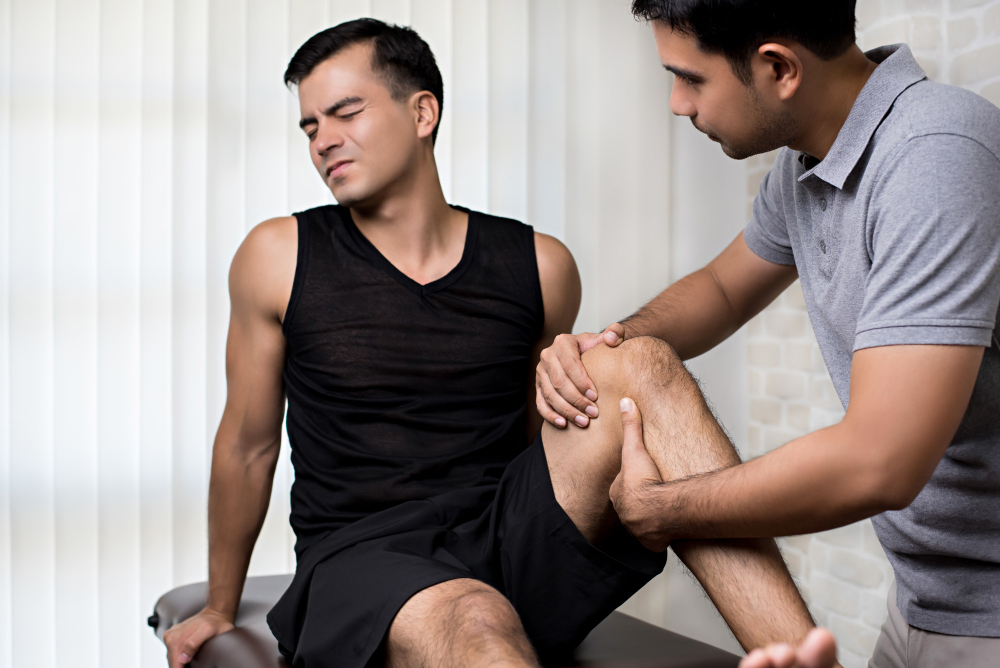
An ACL tear is a common knee injury, especially in sports. The ACL, or anterior cruciate ligament, helps keep your knee stable. When it tears, walking and moving become hard. Physio for ACL tear is very important for healing. With the right exercises and care, you can regain strength and movement. This guide explains what an ACL tear is, how physiotherapy helps, and what you can do for a safe recovery.
What is an ACL Tear?
The ACL is a strong band inside your knee. It connects the thigh bone to the shin bone. Most often, people tear their ACL during sports like football, basketball, or skiing. Quick stops, sudden turns, or landing wrong can cause a tear. Sometimes, you may hear a pop or feel your knee give way. Afterward, swelling, pain, and trouble moving the knee are common. If you notice these signs, it is best to see a doctor for a proper check.
Role of Physiotherapy in ACL Tear Recovery
Physiotherapy is key to healing after an ACL tear. First, it helps reduce pain and swelling. Then, it guides you to move your knee safely. Over time, physio for ACL tear helps you regain strength and balance. Moreover, it lowers the risk of hurting your knee again. Whether you have surgery or not, physiotherapy is vital for a full recovery. According to the American Academy of Orthopaedic Surgeons, rehab is needed for most ACL injuries.
Phases of Physiotherapy for ACL Tear
Recovery after an ACL tear happens in steps. Each phase has a goal and special exercises. Here are the main stages:
Each person heals at their own pace. However, following your physiotherapist’s plan is important for the best results.
Key Physiotherapy Exercises
Safe exercises are a big part of ACL tear rehabilitation. Always check with your physiotherapist before starting any new exercise. Here are some common ones:
As you get stronger, your physiotherapist may add more exercises. For example, balance drills or step-ups can help you progress.
Tips for a Successful Recovery
Recovering from an ACL tear takes time and effort. Here are some helpful tips:
With steady effort, you can improve your knee’s strength and function. However, skipping steps or rushing can lead to setbacks.
When to Consult a Physiotherapist
Sometimes, you may need extra help during your rehab after ACL surgery or injury. See a physiotherapist if you notice:
Early help can prevent bigger problems. In addition, a physiotherapist can adjust your plan for better results.
Conclusion
In summary, physio for ACL tear is vital for a safe and strong recovery. With the right exercises and support, you can get back to your normal life. Remember, every knee heals differently. For the best outcome, consult a physiotherapist for a plan that fits your needs. If you have questions or concerns, reach out to a professional for guidance.