What is an ACL Tear?
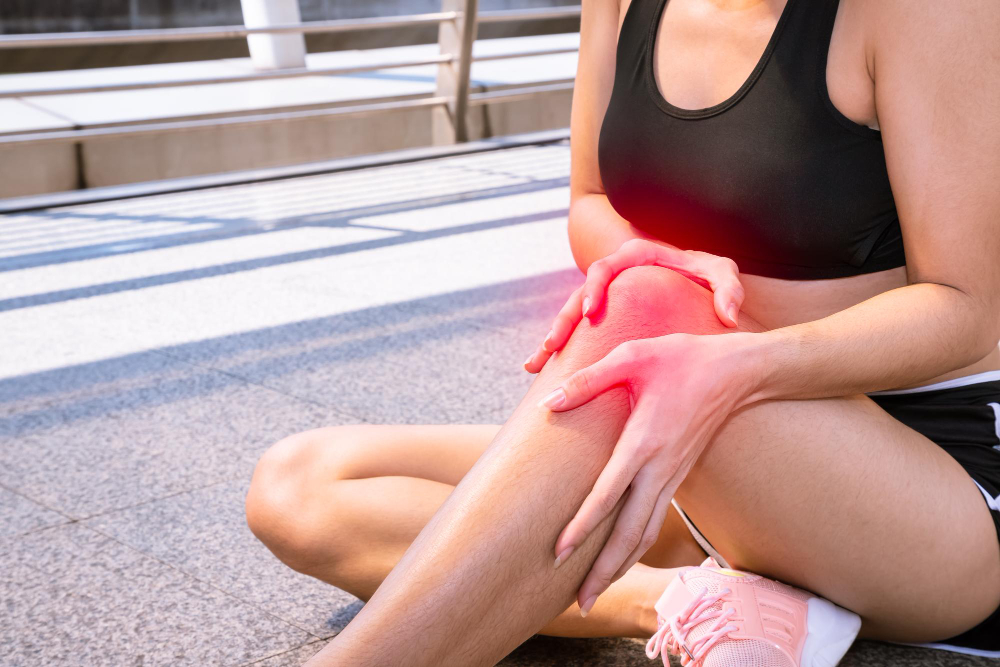
The anterior cruciate ligament (ACL) is a strong band inside your knee. It helps keep your knee stable. An ACL tear happens when this ligament gets stretched or torn. Often, athletes and active people face this injury. However, anyone can experience it. Early ACL tear rehabilitation is key for a full recovery and safe return to sport.
Common Symptoms and Causes
After an ACL tear, you may notice several signs. For example, you might hear a popping sound at the time of injury. Soon after, your knee may swell and feel unstable. Many people find it hard to walk or put weight on the leg.
Usually, ACL tears happen during sports that involve quick stops or changes in direction. For instance, football, basketball, and soccer players are at higher risk. Sometimes, landing awkwardly from a jump can also cause this injury.
Diagnosis of ACL Tears
Doctors use several steps to diagnose an ACL tear. First, they ask about your injury and symptoms. Next, they examine your knee for swelling, tenderness, and movement. Often, they use special tests to check the ligament’s stability. In many cases, an MRI scan helps confirm the diagnosis. X-rays may also be used to rule out bone injuries. Early diagnosis helps start ACL tear rehabilitation quickly.
Treatment Options
Treatment depends on your age, activity level, and injury severity. Sometimes, rest and physiotherapy for ACL injury are enough. However, many people need surgery, especially if they want to return to sports. Your doctor will help you choose the best plan.
After surgery, ACL tear rehabilitation is vital for a safe recovery.
The Rehabilitation Process: Step-by-Step Roadmap
Rehabilitation after an ACL tear follows a clear path. Each stage has specific goals and exercises. Although timelines can vary, most people follow a similar process. Here is a simple roadmap:
Throughout each stage, rehabilitation exercises for ACL tear are important. For example, you may do straight-leg raises, gentle squats, and balance drills. Always follow your therapist’s advice to avoid setbacks.
Returning to Sport: Key Milestones and Tips
Returning to sport after ACL surgery takes time and patience. While some people recover faster, most need at least six months. However, rushing back too soon can increase the risk of re-injury.
Additionally, always warm up before activity. Use proper techniques and listen to your body. If you feel pain or swelling, slow down and consult your doctor.
Prevention and Long-Term Care
Preventing ACL re-injury is possible with the right steps. Even after recovery, you should keep your knee strong and flexible. For instance, regular physiotherapy for ACL injury can help maintain muscle balance.
Moreover, regular check-ups with your doctor or physiotherapist can catch problems early. Long-term care ensures your knee stays healthy for years to come.
Frequently Asked Questions (FAQs)
In summary, ACL tear rehabilitation is a step-by-step process. With the right care, most people return to their favorite sports safely. Consult a physiotherapist or sports medicine specialist for personalized ACL tear rehabilitation guidance.