Introduction to Posture Problems and Falls in the Elderly
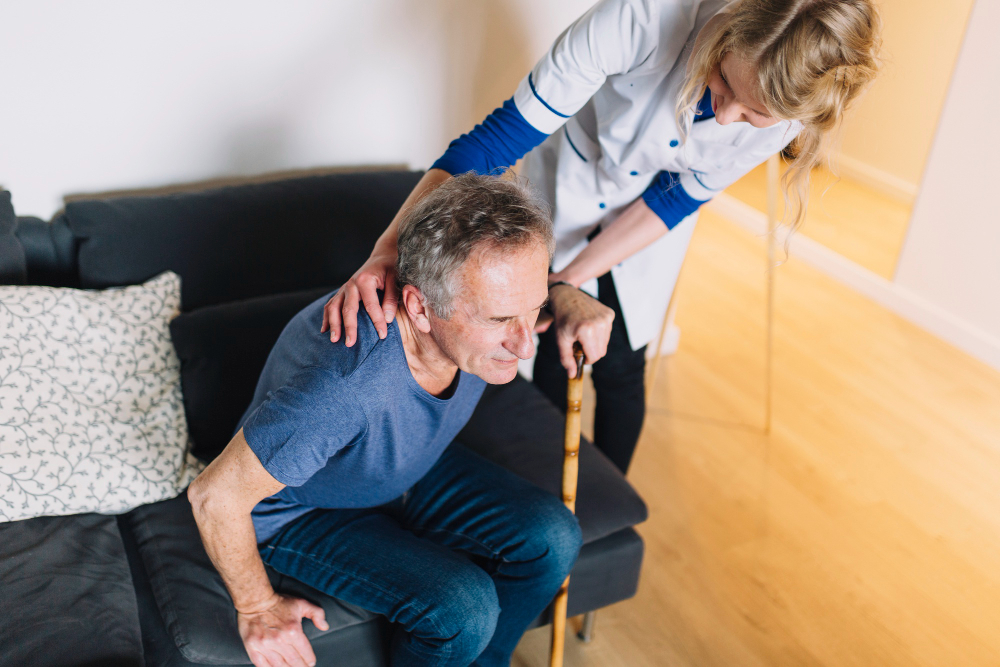
Posture problems and falls in the elderly are common health concerns. According to the CDC, one in four adults over 65 falls each year. These falls can lead to serious injuries, such as broken bones or head injuries. Poor posture often increases the risk of falling. Therefore, understanding the causes and prevention of these issues is important for seniors and their families. In this blog, you will learn about symptoms, causes, prevention, and rehabilitation for posture problems and falls in older adults.
Common Symptoms and Warning Signs
Recognizing early signs can help prevent falls. Some common symptoms and warning signs include:
For example, if you notice a loved one holding onto furniture while walking, this may signal a balance problem. Early attention to these signs can reduce fall risk in older adults.
Major Causes and Risk Factors
Many factors can lead to posture problems and falls in the elderly. Some major causes and risk factors include:
Additionally, age-related changes in bones and joints can make seniors more likely to fall. Understanding these risks helps with elderly fall prevention.
How Posture Issues Increase Fall Risk
Poor posture affects balance and movement. When seniors slouch or lean forward, their center of gravity shifts. As a result, they may lose balance more easily. Weak core and leg muscles also make it harder to recover from slips. Over time, these issues can lead to more frequent falls. Improving posture in seniors can greatly reduce fall risk.
Diagnosis and Assessment Methods
Healthcare providers use several methods to assess posture and fall risk. Common assessments include:
Early diagnosis allows for timely treatment. Therefore, regular check-ups are important for seniors.
Evidence-Based Physiotherapy and Rehabilitation Treatments
Physiotherapy for seniors is effective in treating posture problems and reducing falls. Evidence-based treatments may include:
For instance, a physiotherapist may design a personalized program to address specific needs. Regular sessions can help seniors regain confidence and independence.
Lifestyle Tips and Home Safety Modifications
Simple changes at home and in daily routines can lower fall risk. Consider these tips:
Additionally, encourage seniors to take their time when moving from sitting to standing. These steps can make the home safer for older adults.
Prevention Strategies for Families and Caregivers
Families and caregivers play a key role in elderly fall prevention. Here are some strategies:
Moreover, open communication with healthcare providers ensures seniors get the right care. Early action can prevent many falls and injuries.
Conclusion: Take Steps to Prevent Falls
In summary, posture problems and falls in the elderly are serious but preventable. With the right knowledge and support, seniors can stay safe and active. If you or a loved one has concerns about balance or posture, consult a physiotherapist or healthcare provider for personalized advice. Early intervention can make a big difference in quality of life.